
 How Atlanta, Ga Homeowners Can Manage Summer Humidity
Summer in Atlanta, GA often brings warm temperatures along with high humidity levels that can impact indoor comfort and overall home conditions. Many homeowners notice damp air, musty odors, or condensation forming during this time of year.
This leads to an important question:
How can you manage summer humidity to prevent mold growth and indoor moisture issues?
Understanding how humidity affects your home—and how to control it—can help maintain a healthier and more comfortable living environment throughout the warmer months.
Why Humidity Is Common In Atlanta, Ga Homes
Homes in Atlanta, GA are exposed to humid outdoor air for much of the summer. When this moisture enters the home, it can settle in areas with limited airflow or ventilation.
During a home inspection, inspectors commonly observe:
- Condensation on windows, vents, or ductwork
- Damp air in basements or crawl spaces
- Musty odors in enclosed or poorly ventilated areas
- Moisture buildup near kitchens, bathrooms, or laundry areas
These conditions often develop gradually and may not be immediately noticeable, which is why routine monitoring is important.
Signs Your Home May Have Excess Moisture
Humidity-related issues often begin subtly, but early warning signs can help homeowners take action before conditions become more significant.
Watch for:
- Persistent damp or musty odors
- Peeling paint or slight wall discoloration
- Warped wood flooring, trim, or cabinetry
- Light spotting on ceilings or walls
These indicators suggest that indoor moisture levels may be elevated, even if visible damage is minimal.
Practical Ways To Reduce Indoor Humidity
Managing indoor humidity is typically achieved through consistent maintenance and simple adjustments. Many homeowners can improve conditions without major upgrades.
1. Maintain Your HVAC System
Air conditioning systems help remove moisture from indoor air. Regular servicing and clean filters support proper operation and consistent humidity control.
2. Use Exhaust Fans Regularly
Bathrooms, kitchens, and laundry areas generate moisture. Running exhaust fans during and after use helps remove humid air efficiently.
3. Improve Airflow Throughout Your Home
Ceiling fans and proper air circulation help prevent moisture from settling in one area. Good airflow supports balanced humidity levels.
4. Use a Dehumidifier When Needed
In areas such as basements or crawl spaces, a dehumidifier can help maintain appropriate indoor humidity levels and reduce moisture buildup.
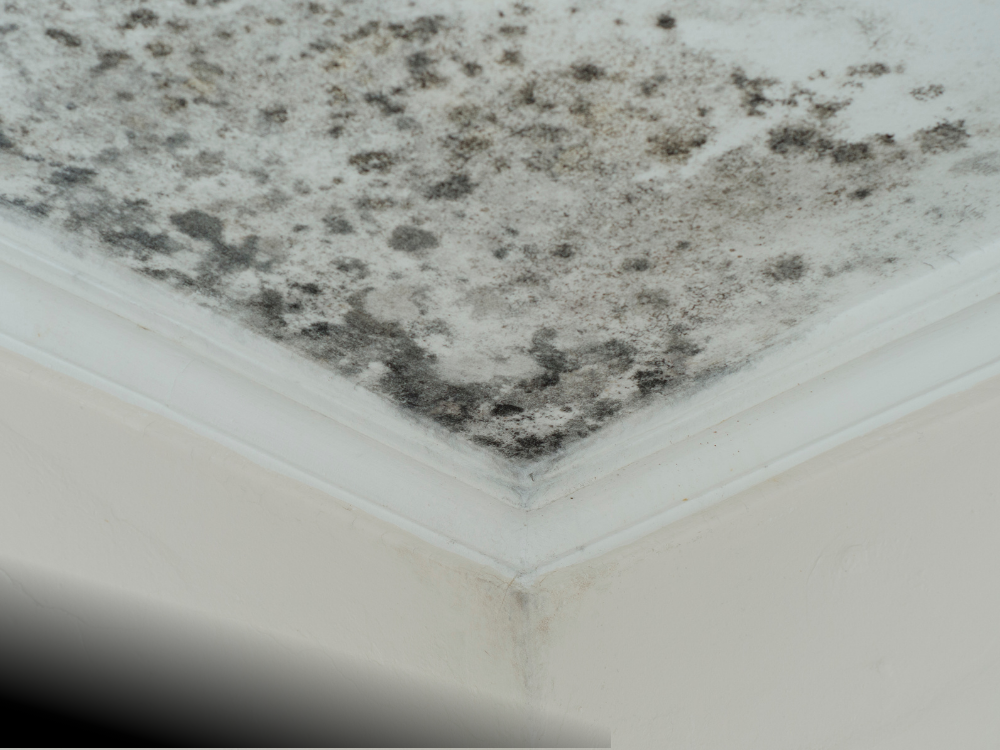 Preventing Mold Growth With Routine Maintenance
Mold requires moisture to grow, making humidity control one of the most effective prevention strategies. Consistent, small maintenance steps can make a noticeable difference over time.
Helpful practices include:
- Addressing minor leaks promptly
- Wiping away condensation from surfaces
- Keeping storage areas dry and organized
- Monitoring indoor humidity levels during peak summer months
During a home inspection, professionals often find that moisture-related concerns begin with small issues that could have been addressed early.
What Home Inspectors Look For In Humid Conditions
In Atlanta, GA, humidity-related conditions are a common focus during home inspections. Inspectors evaluate how moisture moves through the home and where it may accumulate.
This may include:
- Reviewing attic and crawl space ventilation
- Checking for signs of past or hidden moisture
- Observing insulation and airflow patterns
- Identifying areas prone to condensation
These observations help homeowners better understand their home’s condition and ongoing maintenance needs.
Managing summer humidity in Atlanta, GA is an important part of maintaining indoor comfort and protecting your home. By improving airflow, controlling moisture sources, and staying consistent with maintenance, homeowners can reduce the likelihood of mold and moisture-related issues.
If you live in Atlanta, GA, schedule your home inspection with Dream Home Inspections to better understand how your home handles humidity and where improvements may be needed.
Take the next step. Call (678) 505-1122 or visit https://dreamhomeinspection.org/ today!







Leave A Comment