
 September in Fayetteville doesn’t announce itself the way it does up north. There’s no dramatic color change overnight. But the air shifts — mornings get easier, evenings get pleasant — and if you’ve lived in Fayette County for any length of time, you know what that shift means: get your home ready before Georgia’s fall rains arrive.
Here’s a practical checklist for south Atlanta area homeowners heading into the season.
Is Your Heat Pump Ready For The Switch From Cooling To Heating?
Georgia’s climate is heat pump country. Most homes in Fayetteville, Newnan, and the south Atlanta suburbs run heat pump systems — and those systems have been running in cooling mode since April or May. Before temperatures drop far enough to need heat, the smart move is to test the transition now.
Switch your thermostat to heat mode and set it a few degrees above the current room temperature. Listen for the system to engage. Check that your indoor air handler is blowing warm air within a few minutes. If it runs in emergency heat, takes more than a few minutes to warm up, or makes unusual sounds at startup, call your HVAC technician now — not in November.
September availability at HVAC contractors in Fayette County is far better than October or November. By the time a cold front moves through and everyone realizes their heat isn’t working, you may be waiting a week or more for service.
Also: change your air filter. This is the easiest, cheapest, most consistently neglected maintenance task in the country. A clean filter heading into fall means better airflow, lower energy bills, and a longer system life.
What Should You Check On Your Roof After A Georgia Summer?
Georgia summers are hard on residential roofing. The combination of intense heat, sustained UV exposure, and frequent afternoon thunderstorms — common across Fayette and Coweta counties from June through September — puts stress on shingles, flashing, and sealants in ways that aren’t always visible from the ground.
Walk the perimeter of your home after a dry morning. You’re looking for shingles that are cupping or lifting at the edges, areas where the dark granule coating has thinned or worn through, and any flashing around chimneys, vents, or roof valleys that looks displaced or separated.
Pay attention to the gutters while you’re there. If you see dark granules accumulating in the gutter channels, that’s shingle wear — it may not be a crisis yet, but it’s information worth having.
 Are Your Gutters Ready For Georgia’s Fall Rains?
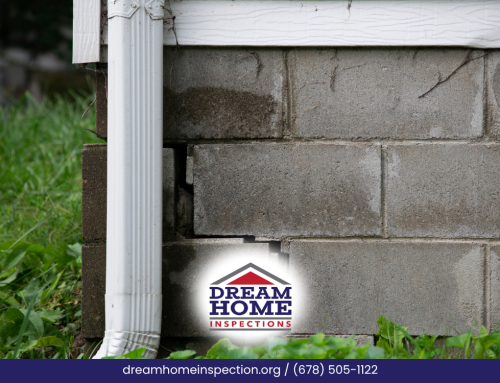
Fayette County gets meaningful fall rainfall — and Georgia’s red clay soil doesn’t absorb that water quickly. Gutters that are clogged with summer debris direct overflow water straight down the fascia and against your foundation, where it pools for hours.
The result is not always immediate. Sometimes the evidence shows up in a crawl space moisture reading the following spring, or in wood rot along the fascia board the following summer. The connection between clogged gutters and downstream home damage is real — it just doesn’t always present on the same day.
Clear your gutters of summer debris now. Add a second cleaning in late October or November after the leaves finish dropping. While you’re doing it, check that the downspouts are routing water at least four to six feet away from the foundation.
What Should You Do On The Exterior Before October?
Caulking. Check the exterior at every transition: window frames, door frames, where siding meets trim, and any penetration point for pipes or conduit. Caulk that’s pulling away or cracking is not sealing anything.
Dryer vent. Check that the exterior flap opens and closes freely. Lint accumulation in fall — combined with the first cool nights bringing birds and small animals looking for warm spaces — makes blocked dryer vents one of the more common fire hazards heading into heating season.
Expansion joint cracks in the driveway and walkways. Sealant in those cracks prevents water from getting under the surface where freeze-thaw cycles can work it loose from the bottom up.
Should You Schedule A Home Inspection This Fall?
If you’ve been in your home for a few years and want to know where it actually stands — or if something has been nagging at you since last winter but you never got around to looking into it — a maintenance inspection is worth considering.
Take the next step. Call (678) 505-1122 or visit https://dreamhomeinspection.org/ today!








Leave A Comment